I Deleted $500/Month in SaaS and Replaced My Entire Stack
Published: April 23, 2026
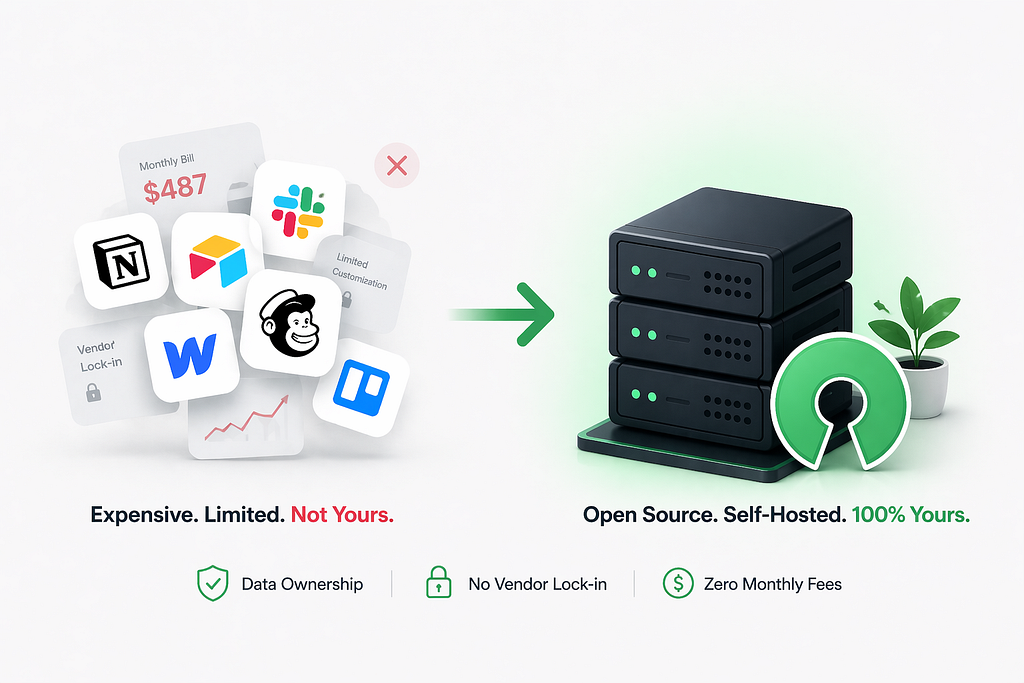
I Replaced My Entire SaaS Stack
16 self-hosted replacements for Webflow, Notion, Mailchimp – save hundreds every month.
I audited my SaaS stack last month.
$487/month.
Most of it? Tools I barely used.

Every month, another SaaS product raises its prices. Another free tier shrinks.
And your budget? It’s getting crushed.
The irony? Most of what you are paying for already exists for free, in open source ecosystems.
These aren’t half-baked clones or abandoned GitHub repos.
These are production-ready tools, actively maintained, with real communities behind them. If you are actively searching for open source alternatives to popular SaaS tools, you aren’t alone.
Here’s your SaaS exit ramp.
Before we deep dive, You might have some confusion so lets just clear it before we go on our way.
What are Self-Hosted SaaS Alternatives?
Open-source SaaS alternatives are free, publicly accessible software repositories designed to replicate the functionality of popular paid software-as-a-service (SaaS) products. Unlike proprietary SaaS, these tools are self-hosted on a user’s own server (like a VPS or AWS). The primary benefits are complete data ownership, absence of vendor lock-in, customizable source code, and zero monthly subscription fees per user.
Why Developers Are Switching to Open Source Alternatives to Popular SaaS Tools
The math has shifted.
The era of “convenience at any cost” is ending.
Hosting is cheaper than ever.
Virtual Private Servers (VPS) start at $5/month. Docker has made deployment approachable for anyone who can read a .yml file. But the real reason developers are pivoting is control.
More control. No vendor lock-in. No surprise price hikes. No deleted features after an acquisition.
The only real cost is setup time. And for most of these tools, that’s measured in hours, not weeks.
Many startups are now replacing SaaS stacks entirely with open-source to reduce costs and gain full data ownership.
16 Open Source Alternatives to Popular SaaS Tools That Actually Work (2026)
The Ultimate Open-Source Stack
1. Web Builder – Ditch Webflow
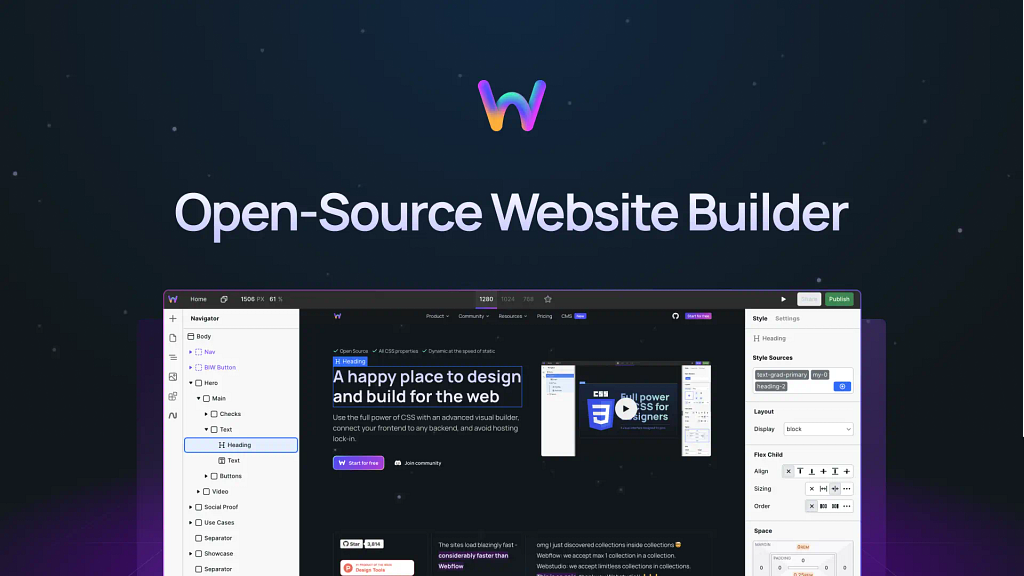
Webstudio is the open-source answer to Webflow.
Webstudio gives you:
- Visual drag-and-drop builder
- Responsive design
- Clean exported code
But here’s the difference:
You own the output. Fully.
Perfect for:
- Indie hackers
- Agencies
- Landing page builders
Entity Precision: Built for visual development, outputs standard CSS/HTML.
Refer to the Documentation.
GitHub → ~8.5 ⭐️
2. No-Code Database — Ditch Airtable
Rowy gives you a spreadsheet interface sitting directly on top of Google Cloud’s Firestore.
You get the familiar rows-and-columns feel of Airtable, with serverless functions, automation, and a backend that scales.
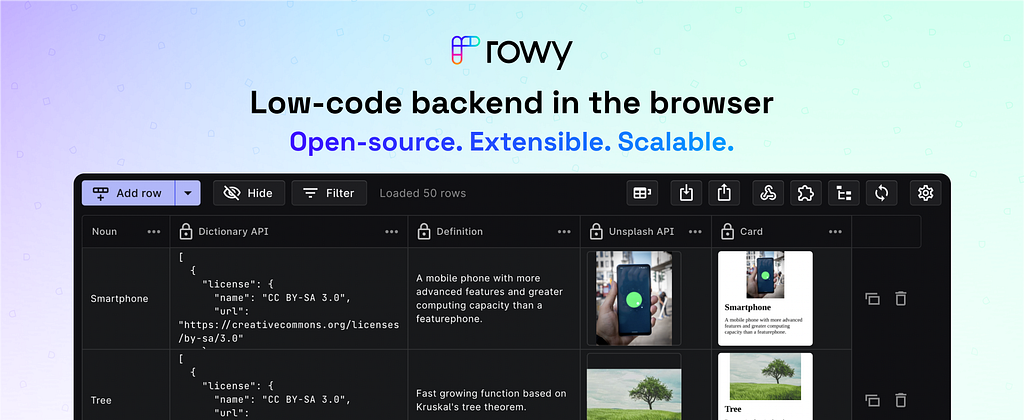
If your team already uses Firebase, this is a near-drop-in replacement. Non-technical teammates stay comfortable. Engineers stay in control.
Entity Precision: React frontend, Firebase/GCP backend.
Refer to the Documentation.
GitHub → ~6.8K stars ⭐️
3. Backend Solution — Ditch Firebase
Pocketbase is the undisputed king of the “weekend project” stack.
One that keeps showing up in every “what would you use if you had to ship something this weekend” thread, and for good reason.
This is the one.
If you’ve ever:
- Struggled with Firebase rules
- Juggled multiple backend services
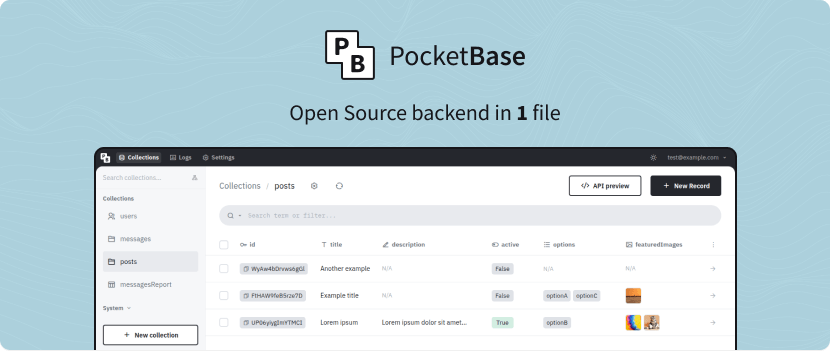
PocketBase replaces all of it with:
- Auth
- Database
- File storage
- Realtime
In a single binary
Ship a backend in minutes — not days.
Entity Precision: Written in Go, uses SQLite.
Refer to the Documentation.
GitHub → ~57.8K stars⭐️
4. E-commerce Platform — Ditch Shopify
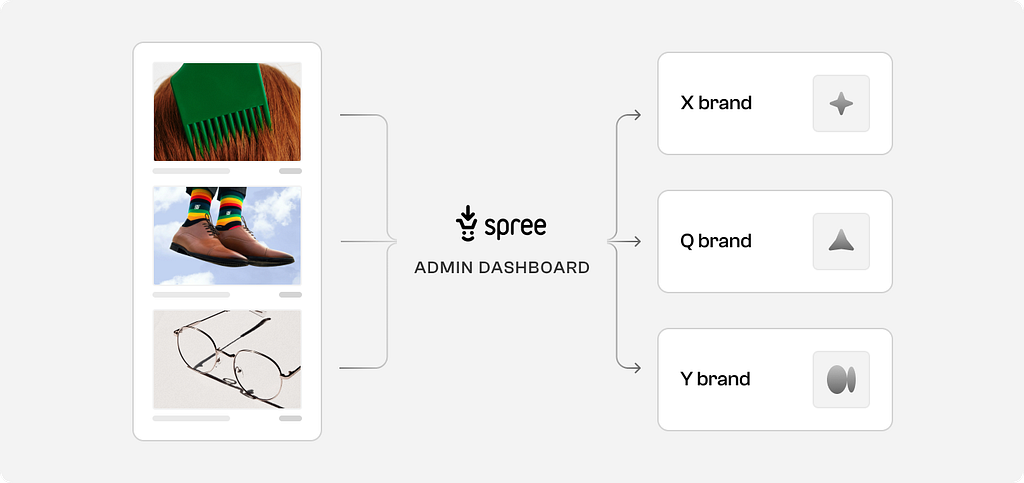
Spree has real production mileage.
Shopify is great… until you need control.
Spree gives you:
- Full customization
- Multi-language
- Self-hosted flexibility
Perfect if:
- You hate platform limitations
- You want ownership of checkout flows
Entity Precision: Built on Ruby on Rails.
Refer to the Documentation.
GitHub → ~15.4K stars ⭐️
5. Team Communication — Ditch Slack
Slack chaos → replaced.
Zulip takes a different approach to team chat. Instead of chaotic DM streams, it uses topic-based threading inside channels. Every conversation has a subject line.
It’s like email meets Slack. The result? Far less noise, and much easier to catch up after being away.
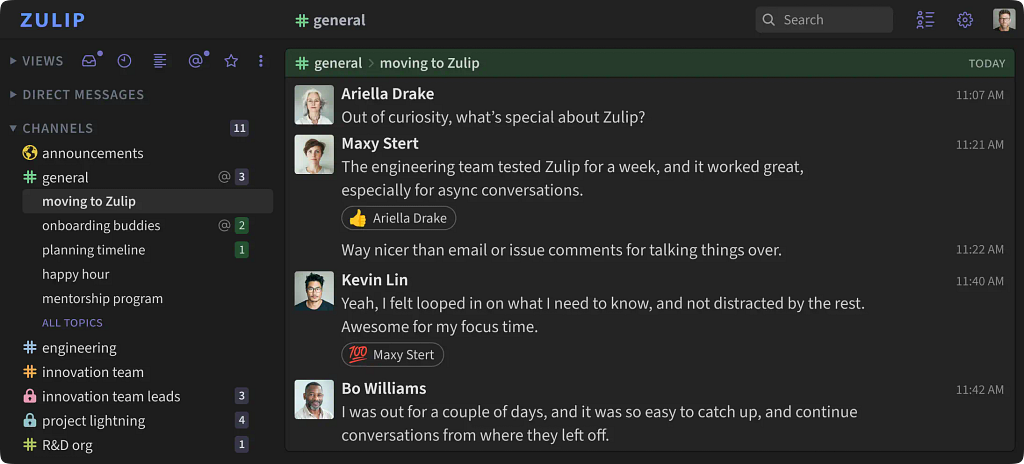
Once you try this, Slack feels noisy.
Entity Precision: Python backend, React frontend.
Refer to the Documentation.
GitHub → ~25.1K stars ⭐️
6. Note-Taking — Ditch Evernote
End-to-end encrypted notes.
Evernote has had a rough few years, with pricing changes, feature bloat, a painful rebrand. Notesnook is what Evernote should have become: fast, cross-platform, private by design.

Notesnook is end-to-end encrypted note-taking. Everything you write is encrypted before it leaves your device.
Entity Precision: End-to-End Encryption (E2EE) architecture.
GitHub → ~14K stars ⭐️
7. Knowledge Base — Ditch Notion
Notion tries to be everything.
Unlike Notion, which tries to do everything.
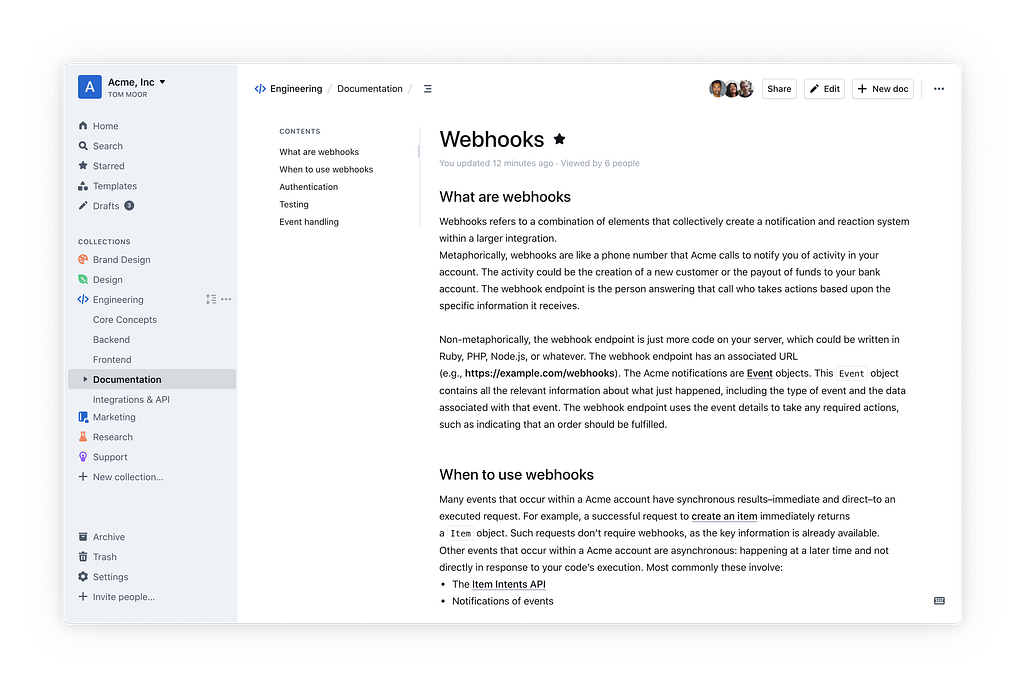
Outline is clean, fast, and built specifically for team documentation. Unlike Notion, which is trying to be everything for everyone, Outline does one thing well: shared knowledge management.
Refer to the Documentation.
GitHub → ~38.2K stars ⭐️
8. Project Management — Ditch Trello & Asana
Simple, powerful, self-hosted.
You get:
- Kanban boards
- Task tracking
- Team collaboration

Without:
- Per-seat pricing
Entity Precision: Go and React.
GitHub → ~26.1K stars ⭐️
9. Analytics — Ditch Google Analytics
If GA4 ever confused you…
Fathom feels like clarity.
- Privacy-first
- No cookies
- Simple dashboard
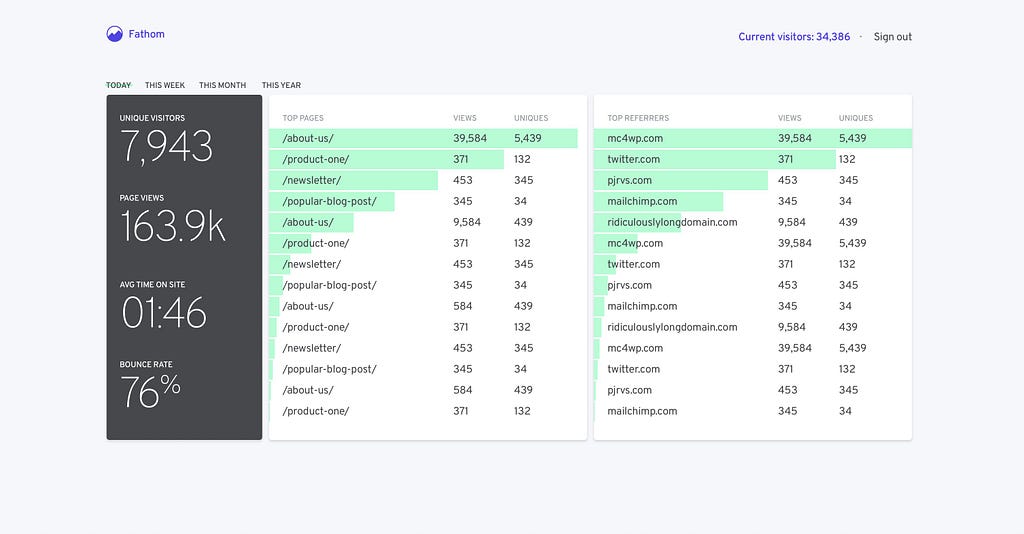
Finally, analytics you can actually understand.
Entity Precision: Written in Go and Preact.
Refer to the Documentation.
GitHub → ~8K stars ⭐️
10. Search — Ditch Elasticsearch
It is a lightweight, schema-less full-text search backend written in Rust.
Elasticsearch is powerful.
But also:
- Heavy
- Complex
- Expensive to run
Sonic is:
- Lightweight
- Fast
- Minimal
Perfect for 90% of apps
Entity Precision: Written entirely in Rust.
GitHub → ~21.2K stars ⭐️

11. Feature Voting — Ditch Canny
Canny’s free tier is notoriously limited.
It is a fully functional, open-source feature request and voting board.
Let users vote on features.
Simple.

But powerful:
- Real feedback
- Prioritized roadmap
- No SaaS limits
Entity Precision: Written in Go and Vue.js.
Refer to the Documentation.
GitHub → ~4.2K stars ⭐️
12. Uptime Monitoring — Ditch UptimeRobot
With a massive 57.6K stars, Uptime Kuma is an absolute powerhouse.
One of the best open-source tools right now.
- Beautiful UI
- Tons of integrations
- Docker deploy
This alone can replace multiple SaaS tools.
GitHub → ~85.6K stars ⭐️
13. Community Platform — Ditch Circle
If you’re building a developer community or internal Q&A space, stop paying Circle $99/month.
Modern forums — without bloat.
- Fast
- Extensible
- Mobile-first
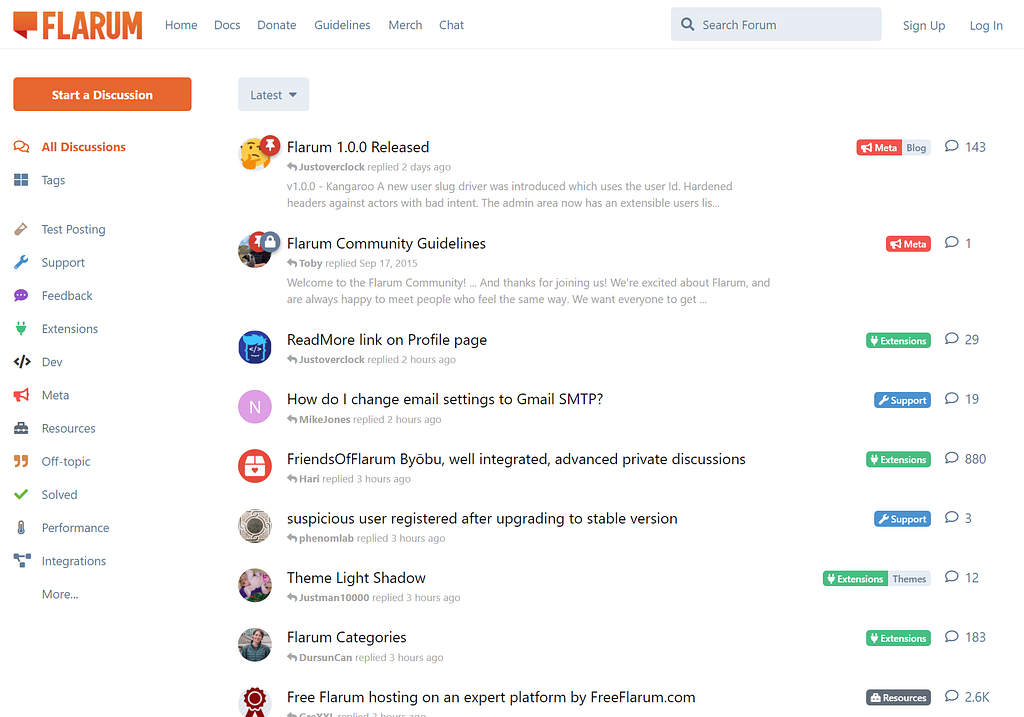
Perfect for:
- Dev communities
- Niche forums
Entity Precision: PHP backend, Mithril.js frontend.
Refer to the Documentation.
GitHub → ~6.7K stars ⭐️
14. Email Marketing — Ditch Mailchimp
Mailchimp gets incredibly expensive once your list grows.
Listmonk is a self-hosted newsletter manager built for massive volume.
Listmonk gives you:
- Bulk email sending
- Segmentation
- Analytics
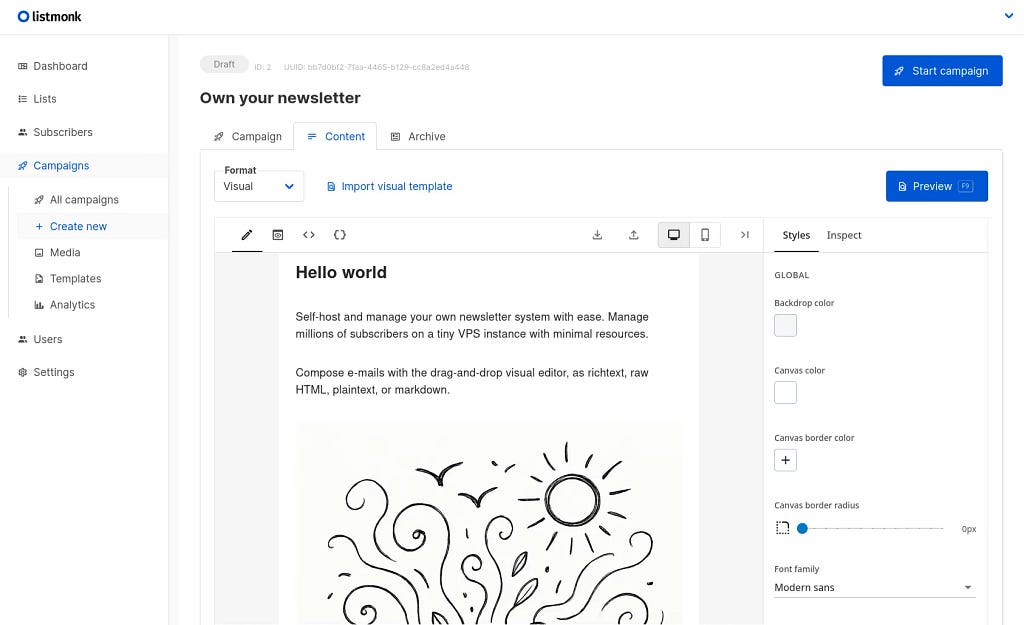
But the real win:
You own your subscriber data.
Entity Precision: Written in Go with a React frontend.
Refer to the Documentation.
GitHub → ~19.6K stars ⭐️
15. Meeting Scheduling — Ditch Doodle
Create a poll, share the link, and let your team vote on the best time without requiring user accounts.
Clean, simple, and privacy-respecting.
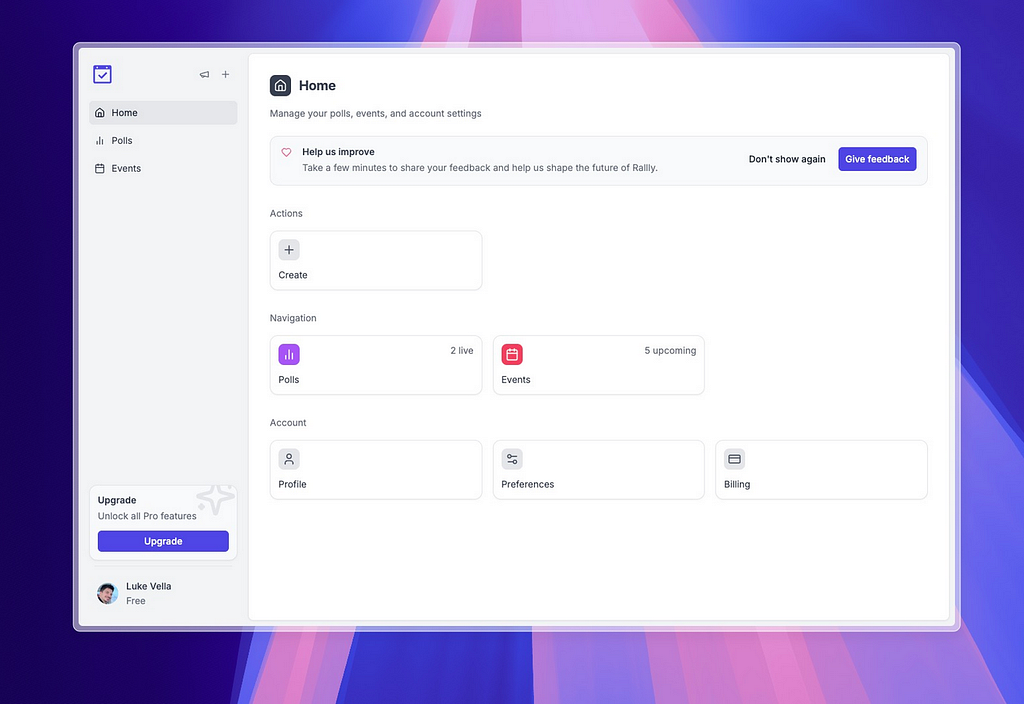
Entity Precision: Next.js, Prisma, PostgreSQL.
Refer to the Documentation.
GitHub → ~5.1K stars ⭐️
16. Time Tracking — Ditch RescueTime
It tracks exactly how you spend your time, across apps, windows, and projects, without sending your data to anyone.
Tracks everything locally.
No data leaving your machine.

Productivity — without surveillance.
Entity Precision: Python, Rust, Vue.js.
Refer to the Documentation.
GitHub → ~17.3K stars ⭐️

The $20/Month Startup Stack
If you’re starting today:
- Backend → PocketBase
- Tasks → Focalboard
- Email → Listmonk
- Analytics → Fathom
- Scheduling → Rallly
Runs on a single VPS
Total cost: <$20/month
I am answering some Questions here, that I get asked a lot about this topic
Are open-source alternatives reliable enough for production use?
Absolutely. The tools on this list have active maintainers and real companies behind them. Projects like Pocketbase (~57.8K) and Uptime Kuma (~85.6K stars) boast larger, more active developer communities than many paid proprietary SaaS products.
What is the real cost of self-hosting these tools?
The honest answer: a $5–20/month VPS and a few hours of setup. Tools like Pocketbase and Listmonk deploy with a single binary or a Docker Compose file. The tradeoff is operational responsibility, you manage updates and backups. For most teams, this is far cheaper than SaaS subscriptions at scale.
Which of these open-source tools is best for a solo developer?
If you are bootstrapping, start with Pocketbase for your backend, Fathom for lightweight analytics, Listmonk for your email list, and Uptime Kuma to monitor it all. You can run all four on a single $20/month VPS comfortably.
The Real Shift (Most People Miss This)
This isn’t about saving money.
It’s about:
- Data ownership
- Control
- Independence from SaaS ecosystems
You stop renting your infrastructure and start owning it.
The open-source ecosystem is now good enough to replace most SaaS tools.
And in many cases:
It’s better
SaaS was always a bet that convenience was worth the premium price tag. That bet made perfect sense a decade ago.
SaaS made sense in 2015.
Now?
You can spin up:
- A backend in 10 minutes
- Email system in 20 minutes
- Analytics in 5 minutes
So here’s the challenge:
Replace one SaaS tool this weekend.
That’s how it starts.
Not with a full migration.
But with a decision.
I Deleted $500/Month in SaaS and Replaced My Entire Stack was originally published in Write A Catalyst on Medium, where people are continuing the conversation by highlighting and responding to this story.

